


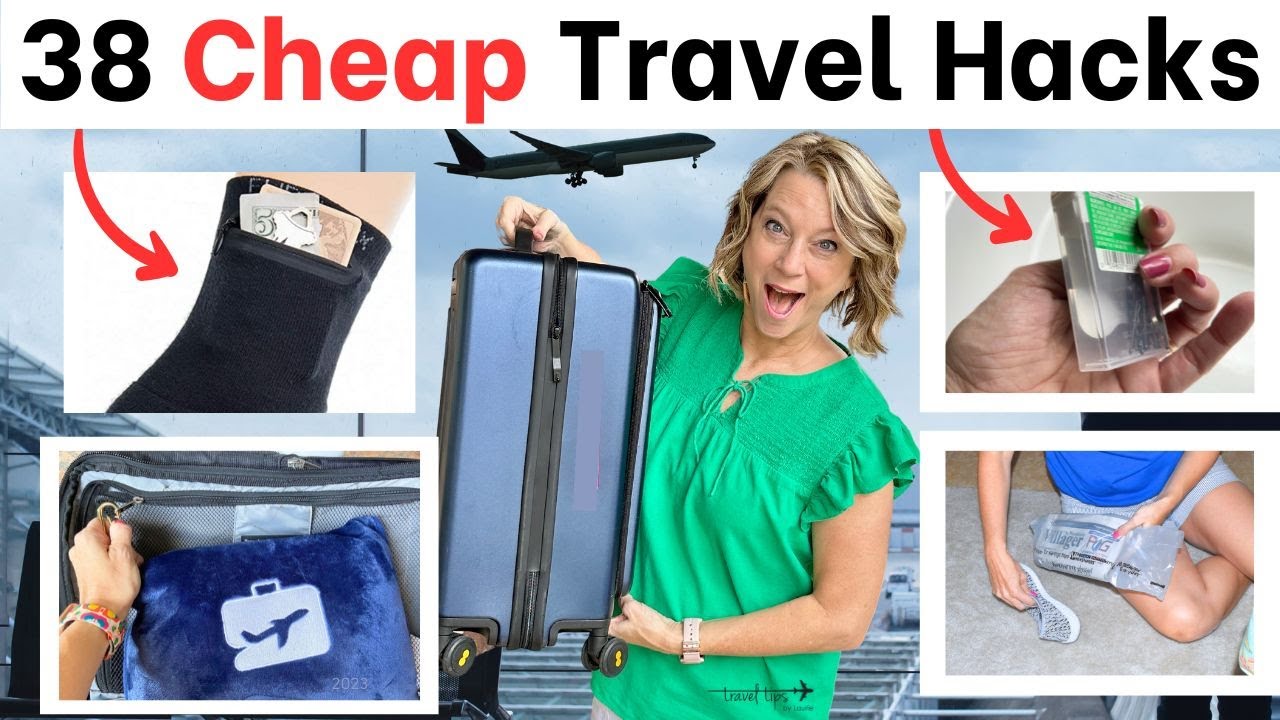

How to Travel the World on $30 a Day: Realistic Budget Hacks for 2026
Traveling the world on just $30 a day may sound impossible in 2026, but with the right strategies and destination choices, it is more realistic than ever. Many countries across Asia, Africa, Eastern Europe, and South America still offer excellent value for accommodation, food, and transportation allowing you to enjoy meaningful, comfortable travel without draining your wallet.
Below are practical, real-world travel hacks that budget travelers, digital nomads, and long-term backpackers use to stretch every dollar without missing out on great experiences.
Choose Destinations Where Your Money Goes Further
Your ability to travel cheaply depends heavily on where you go. In 2026, the best regions for ultra-budget travel include:
Southeast Asia (Vietnam, Cambodia, Indonesia)
South Asia (India, Nepal, Sri Lanka)
Eastern Europe (Georgia, Albania, Serbia)
Africa (Tanzania mainland, Morocco, Uganda)
South America (Bolivia, Peru, Paraguay)
These destinations offer affordable street food, guesthouses, transport, and activities that easily fit within a $30/day budget.
1. Stay in Hostels, Homestays, or Local Guesthouses
Accommodation is usually the biggest expense. Replace hotels with:
Hostel dorms: $5–$12
Homestays/local guesthouses: $8–$15
Long-stay guesthouses: Discounts for stays of 1+ week
Look for properties that include:
Free breakfast
Free Wi-Fi
Access to a shared kitchen
2. Eat Where Locals Eat
Street food and local restaurants offer the best balance between cost and quality.
You can easily spend:
$1–$3 per meal in Southeast Asia
$2–$5 per meal in Eastern Europe or Africa
Avoid airport food, hotel restaurants, and tourist hotspots. Choose places that are busy with locals they’re cheaper and usually better.
3. Use Public Transport and Walk Whenever Possible
Transportation can drain your budget quickly if you rely on taxis or ride-hailing apps.
Instead:
Use public buses, metro systems, or tuk-tuks with negotiated pricing.
Walk short distances.
Rent bicycles or scooters in cheaper countries.
Over a month, this can save you $100+.
4. Travel Slowly Rather Than Jump Between Cities
Fast travel costs more because you spend frequently on:
Intercity buses
Flights
Trains
Taxis
Slow travel staying longer in each place spreads out transportation costs and allows you to find better deals on accommodation, food, and local activities.
5. Use Travel Apps to Find Deals
In 2026, budget travelers rely heavily on apps such as:
Skyscanner for flight deals
Hopper for price predictions
Hostelworld, Booking, or Agoda for cheap stays
Rome2Rio for transport comparisons
Maps.me for offline navigation
Use these to avoid overpriced options and find bargains instantly.
6. Do Free or Low-Cost Activities
Many of the best travel experiences cost nothing or very little.
Examples include:
Hiking trails
Free walking tours
Public beaches
Local markets
Temples and historical sites with low entry fees
Museums on free-entry days
The goal is to mix paid attractions with free ones.
7. Negotiate Smartly
In many regions, haggling is normal. You can negotiate:
Souvenirs
Clothing
Taxi fares
Market food
Accommodation (especially for long stays)
Always be respectful, but don’t accept the first price offered.
8. Avoid Traveling During Peak Seasons
Peak tourist seasons mean higher prices for everything flights, hotels, tours, and food.
Traveling during shoulder or off seasons dramatically reduces your daily cost.
9. Work or Volunteer in Exchange for Accommodation
Platforms like:
Workaway
Worldpackers
WWOOF
offer free accommodation (and sometimes food) in exchange for a few hours of work per day. This is a proven strategy used by long-term travelers to cut expenses drastically.
10. Track Your Daily Spending
Use simple budgeting apps like:
Trail Wallet
TravelSpend
Wallet
Keeping track of your spending ensures you stay within your $30/day limit.
Traveling the world on $30 a day in 2026 is absolutely possible with the right planning and mindset. By choosing affordable destinations, eating locally, using public transportation, and traveling slowly, you can enjoy rich cultural experiences, comfortable living, and unforgettable adventures while sticking to your budget.

-1765187562.webp)


Comment (0)
Leave A Comment: